245 11th Ave NE Hickory, NC 28601


Sleep Apnea Treatment Recovery Guide

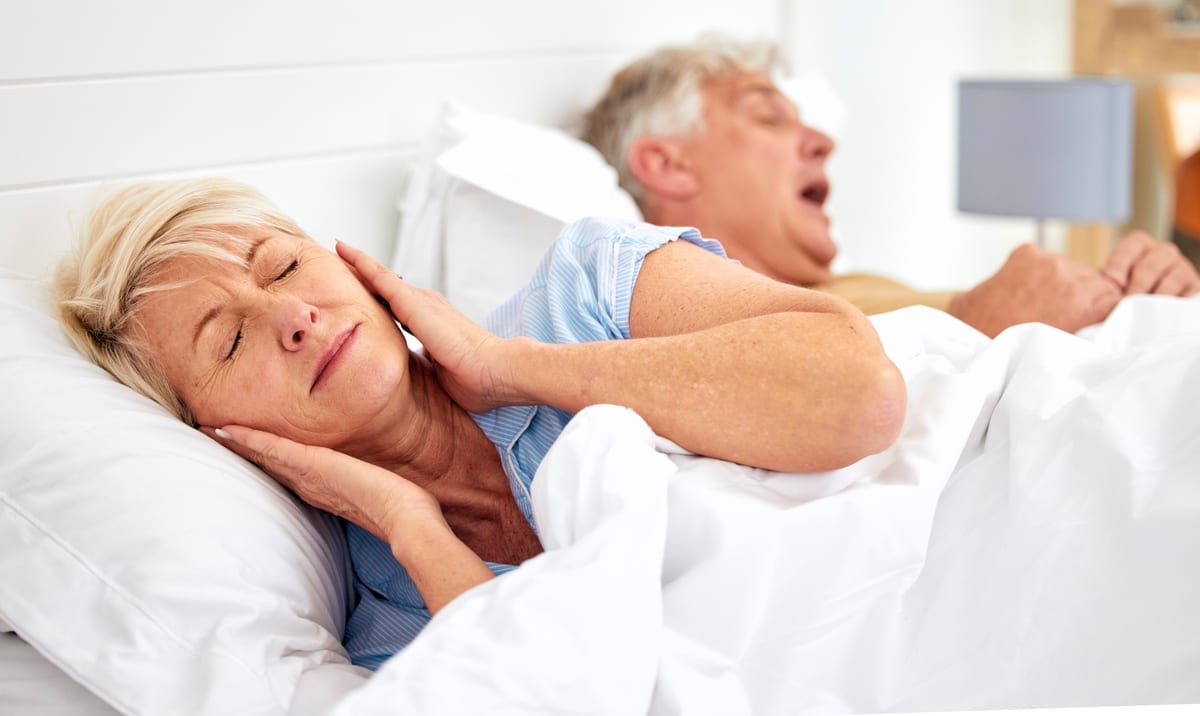
Starting sleep apnea treatment is a major step toward better health. Many Hickory, NC patients wonder what happens next. Knowing what to expect after sleep apnea treatment helps you recover comfortably and get results faster. This recovery guide from Hickory Heights Dental gives you everything you need to feel confident after your treatment with Dr. Thomas Pardue.
Understanding Your Sleep Apnea Treatment Options in Hickory
Sleep apnea treatment is not one-size-fits-all. Dr. Pardue evaluates each patient individually before recommending a plan. Common treatments include oral appliance therapy, CPAP therapy, and surgical interventions for more complex cases.
Oral appliance therapy is one of the most comfortable and non-invasive options available. It involves a custom-fitted mouthguard worn during sleep to keep your airway open. Most Hickory patients adjust to this device within a few weeks.
Surgical treatment may be recommended in more advanced cases. Recovery from surgical options takes longer and requires more attentive aftercare. Understanding your specific treatment type helps you prepare for the right recovery experience.
- Oral appliance therapy — minimal downtime, easy adjustment period
- CPAP therapy — no physical recovery, but requires device compliance
- Surgical intervention — structured recovery period with specific restrictions
- Combination therapy — may include multiple steps and follow-up visits
Your Recovery Timeline: What to Expect After Sleep Apnea Treatment in Hickory
Recovery timelines vary based on your treatment type. For oral appliance therapy, most patients feel comfortable within one to two weeks. Your jaw and teeth may feel slightly sore during the first few nights of wear.
Surgical sleep apnea treatment requires a more structured recovery. Expect mild swelling and discomfort in the first 24 to 72 hours. Most patients return to normal activities within one to two weeks, depending on the procedure performed.
Fatigue is common during early recovery, even before your sleep quality improves. Your body is adjusting to a new breathing pattern during sleep. Give yourself grace during this adjustment phase — it is completely normal.
By weeks three and four, most patients begin noticing meaningful improvements in sleep quality. Energy levels rise, and daytime drowsiness starts to fade. Consistent follow-up with Dr. Pardue ensures your recovery stays on track.
Eating and Lifestyle Tips During Sleep Apnea Recovery
Diet plays a supportive role in recovery, especially after surgical sleep apnea treatment. Stick to soft foods for the first several days if your mouth or throat feels sore. Smoothies, yogurt, mashed potatoes, and soups are excellent choices.
Avoid hard, crunchy, or chewy foods until discomfort fully resolves. These textures can irritate healing tissues and prolong recovery time. Staying hydrated is equally important — drink plenty of water throughout the day.
Alcohol and smoking can significantly slow the healing process. Both impair tissue repair and can worsen inflammation. Dr. Pardue strongly encourages patients to avoid both during the recovery period.
- Choose soft, easy-to-chew foods during the first week
- Stay well-hydrated with water and clear fluids
- Avoid alcohol and tobacco products during recovery
- Maintain a consistent sleep schedule to support healing
- Use a humidifier if dryness affects your comfort with CPAP or oral devices
Managing Discomfort and Common Side Effects
Mild discomfort is normal after sleep apnea treatment. For oral appliance users, jaw soreness and tooth sensitivity are the most common early complaints. These typically resolve as your muscles adapt to the device.
Over-the-counter pain relievers like ibuprofen or acetaminophen can help manage mild soreness. Always follow package directions and consult Dr. Pardue if you have questions about safe pain management. Do not take medications that were not recommended or approved for your situation.
Patients who undergo surgical treatment may experience swelling around the throat or soft palate. Cold compresses applied gently to the outside of the jaw can reduce swelling in the first 48 hours. Sleep with your head slightly elevated to minimize overnight swelling.
Dry mouth is another frequent side effect, especially with CPAP users. A heated humidifier attachment for your CPAP machine can make a significant difference. Report persistent dry mouth to Dr. Pardue so adjustments can be made to your device settings.
When to Contact Hickory Heights Dental After Treatment
Most sleep apnea recovery proceeds smoothly. However, certain symptoms require prompt attention from Dr. Pardue’s team. Knowing when to call helps you stay safe and avoid complications.
Contact our Hickory office right away if you notice any of the following signs after your treatment. Do not wait for your next scheduled visit if these symptoms appear. Early communication prevents small concerns from becoming bigger problems.
- Severe or worsening pain that does not respond to over-the-counter relief
- Significant swelling that increases after the first 48 hours
- Difficulty swallowing or breathing after surgical treatment
- Signs of infection such as fever, pus, or increased redness
- Your oral appliance feels broken, warped, or no longer fits correctly
Routine follow-up appointments are also essential. Dr. Pardue schedules these visits to monitor your progress and fine-tune your treatment. Do not skip follow-ups, even if you feel great — adjustments often improve your long-term results.
Supporting Your Overall Dental Health During Recovery
Sleep apnea treatment works best as part of a complete oral health plan. While you recover, continue brushing twice daily and flossing once a day. Clean your oral appliance according to the instructions provided by our team.
Some patients use their recovery period to address other dental concerns. If you have been curious about Cosmetic Dentistry, now is a great time to explore options with Dr. Pardue. A healthy, confident smile supports your overall well-being alongside better sleep.
For patients with underlying dental health issues, comprehensive care matters. If Dr. Pardue identifies any concerns during follow-up visits, he may recommend additional treatment. In some cases, patients may need Root Canal Therapy to address infection or damage unrelated to sleep apnea.
Taking a whole-health approach to your dental care ensures the best long-term outcomes. Hickory Heights Dental is here to support you through every stage of your treatment journey. You are never navigating recovery alone when you are part of our patient family.
Your Next Steps Toward Better Sleep in Hickory
Understanding what to expect after sleep apnea treatment makes recovery far less stressful. You now know your timeline, what to eat, how to manage discomfort, and when to reach out for help. Following these guidelines puts you on the path to lasting, restful sleep.
Dr. Thomas Pardue and the entire Hickory Heights Dental team are committed to your comfort and care every step of the way. We welcome your questions before, during, and after treatment. Our goal is always to make your experience as smooth and successful as possible.
Ready to take the next step in your sleep health journey? Book Now to schedule your appointment with our team.
Frequently Asked Questions
How long does it take to feel better after sleep apnea treatment?
Most patients begin noticing improved sleep quality within two to four weeks. Oral appliance users may experience minor jaw soreness in the first one to two weeks as they adjust. Surgical patients typically recover within one to two weeks depending on the procedure. Consistent use of your treatment device speeds up progress significantly.
Is it normal to feel tired during sleep apnea recovery?
Yes, fatigue during early recovery is completely normal. Your body is adjusting to new breathing patterns and healing from treatment. Most patients report a noticeable improvement in energy levels once their airway stabilizes and sleep quality improves. Report ongoing excessive fatigue to Dr. Pardue if it persists beyond four to six weeks.
Can I use my CPAP or oral appliance every night right away?
Dr. Pardue recommends using your device every night from the start whenever possible. Consistent nightly use leads to faster adjustment and better treatment outcomes. If you experience significant discomfort, contact our Hickory office for guidance before skipping nights. Skipping use can slow progress and allow apnea symptoms to return.
What foods should I avoid after surgical sleep apnea treatment?
Avoid hard, crunchy, sticky, or spicy foods during the first week of surgical recovery. These can irritate healing tissues in the throat and soft palate area. Stick to soft, easy-to-swallow foods like soups, smoothies, yogurt, and mashed vegetables. Reintroduce normal foods gradually as your comfort improves.
When should I schedule my first follow-up visit after treatment?
Dr. Pardue typically schedules your first follow-up within one to two weeks after beginning treatment. This visit allows our team to check your progress, adjust your device if needed, and answer your questions. Additional follow-up appointments are scheduled based on your individual recovery needs. Do not wait for scheduled visits if you experience concerning symptoms — contact our Hickory office right away.