245 11th Ave NE Hickory, NC 28601


Root Canal vs. Extraction in Hickory, NC

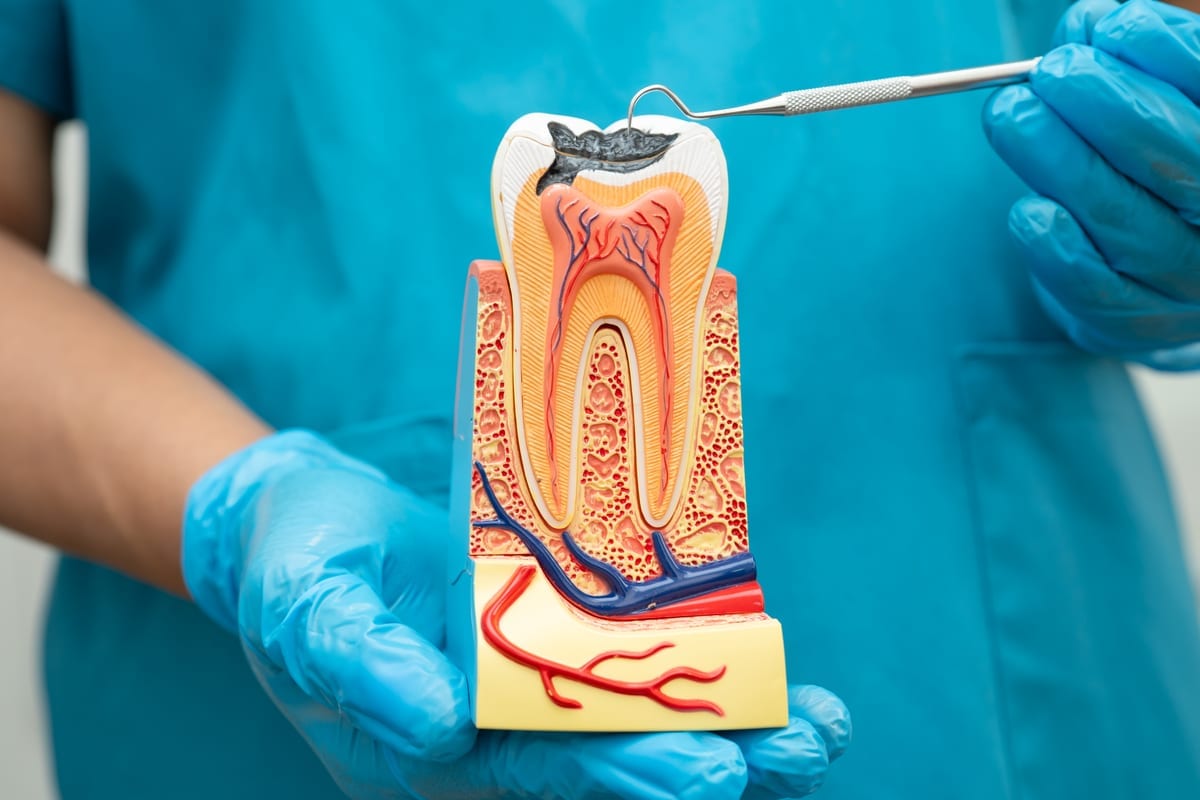
When a tooth hurts badly, you face a big decision fast. The question of root canal vs. extraction — which actually saves you money long-term in Longview — comes up more often than you might think. Many patients assume pulling a tooth is always cheaper and easier. But that assumption can cost you significantly more over time. Dr. Thomas Pardue at Hickory Heights Dental helps Longview-area patients understand the real financial and health picture before making this choice.
Understanding Root Canal vs. Extraction in Longview: The True Upfront Costs
At first glance, a tooth extraction often costs less than a root canal. That price difference feels significant when you’re sitting in the dental chair. However, the upfront cost is only part of the story. You must also factor in what comes next.
A root canal treats the infected pulp inside your tooth. It preserves the natural tooth structure. Most root canal treatments require a dental crown to protect the restored tooth. That adds to the initial investment.
An extraction removes the tooth entirely. The procedure itself may be straightforward. But leaving the gap untreated creates serious long-term problems. Most dentists strongly recommend replacing the missing tooth afterward.
Here is a general cost comparison to consider:
- Root canal treatment plus a dental crown typically costs more upfront
- Simple extraction alone costs less initially
- Tooth replacement after extraction (implant, bridge, or partial) adds significant cost later
- Root canals preserve the natural tooth, avoiding replacement costs entirely
- Long-term, root canal treatment is often the more cost-effective path
Long-Term Health Consequences: Why Extraction Costs More Than You Think
Losing a tooth affects far more than your smile. When a tooth is extracted, the jawbone beneath it begins to shrink. This process is called bone resorption. It happens because the tooth root no longer stimulates the bone naturally.
Bone loss changes your facial structure over time. Neighboring teeth shift toward the gap. Your bite becomes uneven. This can lead to jaw pain, chewing difficulty, and additional dental work down the road.
Replacing an extracted tooth with a dental implant is the gold standard. But implants are a significant investment. A dental bridge is another option, which requires altering healthy adjacent teeth. Both solutions add to the total lifetime cost of choosing extraction over root canal.
Preserving a natural tooth through Root Canal Therapy avoids all of these downstream complications. Your natural tooth continues to stimulate the jawbone. Your bite remains stable. You avoid costly replacement procedures in the future.
Recovery: What Longview Patients Can Expect From Each Option
Recovery is another important factor in the root canal vs. extraction comparison. Many patients fear root canals more than extractions. That fear is largely based on outdated information.
Modern root canal treatment is comfortable and well-tolerated. Most patients return to normal activities within one to two days. Mild soreness is common but manageable with over-the-counter pain relief. The procedure typically takes one to two appointments.
Extraction recovery depends on the complexity of the procedure. Simple extractions heal relatively quickly. Surgical extractions, especially for impacted teeth, involve a longer recovery period. Swelling, bleeding, and discomfort can last several days.
Here is what recovery typically looks like for each option:
- Root canal recovery: 1–2 days of mild soreness, quick return to normal eating and activity
- Simple extraction recovery: 3–5 days of healing, dietary restrictions during that time
- Surgical extraction recovery: Up to a week or more, with more significant discomfort
- Post-extraction implant or bridge: Additional healing time and multiple appointments required
When you account for the full replacement process after extraction, root canal treatment often results in less total time spent in the dental chair.
When Is Extraction the Right Choice?
Root canals are not always possible or appropriate. There are specific situations where extraction is clearly the better option. Dr. Pardue evaluates each case individually before making a recommendation.
Extraction is often the right call when a tooth is severely fractured below the gum line. Teeth that are too damaged to support a crown may not be salvageable. Advanced periodontal disease affecting the bone around a tooth can also make extraction necessary.
Wisdom teeth frequently require extraction. They often lack sufficient room to emerge properly. Impaction and crowding make removal the most practical solution in those cases.
The key is having an honest conversation with your dentist about your specific tooth’s condition. Not every tooth can be saved. But when it can, saving it is almost always the smarter long-term financial and health decision.
How Hickory Heights Dental Helps Longview Patients Make the Right Call
Dr. Thomas Pardue takes a thorough, patient-focused approach to these decisions. He uses digital X-rays and a full clinical evaluation to assess each tooth carefully. He walks patients through all available options before recommending a treatment path.
Hickory Heights Dental offers both root canal treatment and tooth extraction services right here in the Hickory area. Longview patients do not have to travel far for high-quality, compassionate care. Same-day dentistry options are also available for urgent situations.
Beyond restorative work, the practice also offers Cosmetic Dentistry services to help patients feel confident in their smiles after treatment. Whether you need a root canal, a crown, or a full smile refresh, the team is ready to help.
The goal is always to give you the information you need to make the best decision for your oral health and your budget. Saving a natural tooth is almost always worth exploring before choosing extraction.
Conclusion: Save Your Smile and Your Money Long-Term
The root canal vs. extraction debate comes down to this: extraction may cost less today, but it often costs far more tomorrow. Bone loss, tooth shifting, and replacement procedures add up quickly. Preserving your natural tooth through root canal treatment is usually the smarter long-term investment for Longview patients. Dr. Pardue and the Hickory Heights Dental team are here to guide you through every step of the decision. Book Now to schedule your appointment with our team.
Frequently Asked Questions
Is a root canal really less painful than an extraction?
Modern root canal treatment is performed under local anesthesia and is very comfortable. Most patients report feeling little to no pain during the procedure. Post-treatment soreness is typically mild and short-lived. Many patients are surprised by how manageable the experience is.
How much more does a root canal cost than an extraction?
Root canal treatment combined with a crown does cost more upfront than a simple extraction. However, replacing a missing tooth with an implant or bridge can cost significantly more than the root canal would have. When you consider the full lifetime cost, root canals are often the more affordable choice.
What happens if I pull a tooth and don’t replace it?
Leaving a gap after extraction leads to bone loss in the jaw over time. Neighboring teeth shift toward the empty space. Your bite can become uneven, leading to jaw discomfort and additional dental problems. Most dentists strongly recommend replacing extracted teeth to prevent these complications.
How long does a root canal take at Hickory Heights Dental?
Most root canal treatments at Hickory Heights Dental are completed in one to two appointments. The length of each visit depends on the complexity of the case and which tooth is being treated. Dr. Pardue will give you a clear timeline after evaluating your tooth.
Can all infected teeth be saved with a root canal?
Not every infected tooth is a candidate for root canal treatment. Teeth that are severely fractured, heavily decayed, or surrounded by significant bone loss may require extraction instead. Dr. Pardue performs a thorough evaluation to determine the best option for each individual patient.