245 11th Ave NE Hickory, NC 28601


Root Canal Pain Explained

If you live near Longview, NC, and your dentist just mentioned a root canal, your first thought was probably one word: pain. That fear is completely understandable. For decades, root canals carried a reputation that scared patients away from the dental chair. But does a root canal really hurt? What modern dentistry actually feels like in Longview today is a very different story than what your parents or grandparents experienced. At Hickory Heights Dental, Dr. Thomas Pardue wants you to have the honest, clear answers you deserve before your appointment.
The Root Canal Pain Myth — Where It Comes From
The reputation for pain surrounding root canals did not come from nowhere. Decades ago, anesthesia techniques were far less advanced. Patients sometimes felt significant discomfort during the procedure. That experience stuck in cultural memory and got passed down through generations.
Today, however, dental anesthesia has improved dramatically. Most patients report that a modern root canal feels no worse than getting a routine filling. The tooth itself causes the pain — the root canal procedure actually relieves it.
Understanding this distinction matters. By the time most patients need Root Canal Therapy, the tooth is already infected or severely damaged. That underlying infection is the real source of pain. The procedure is the solution, not the problem.
What Modern Anesthesia Actually Does During a Root Canal in Longview
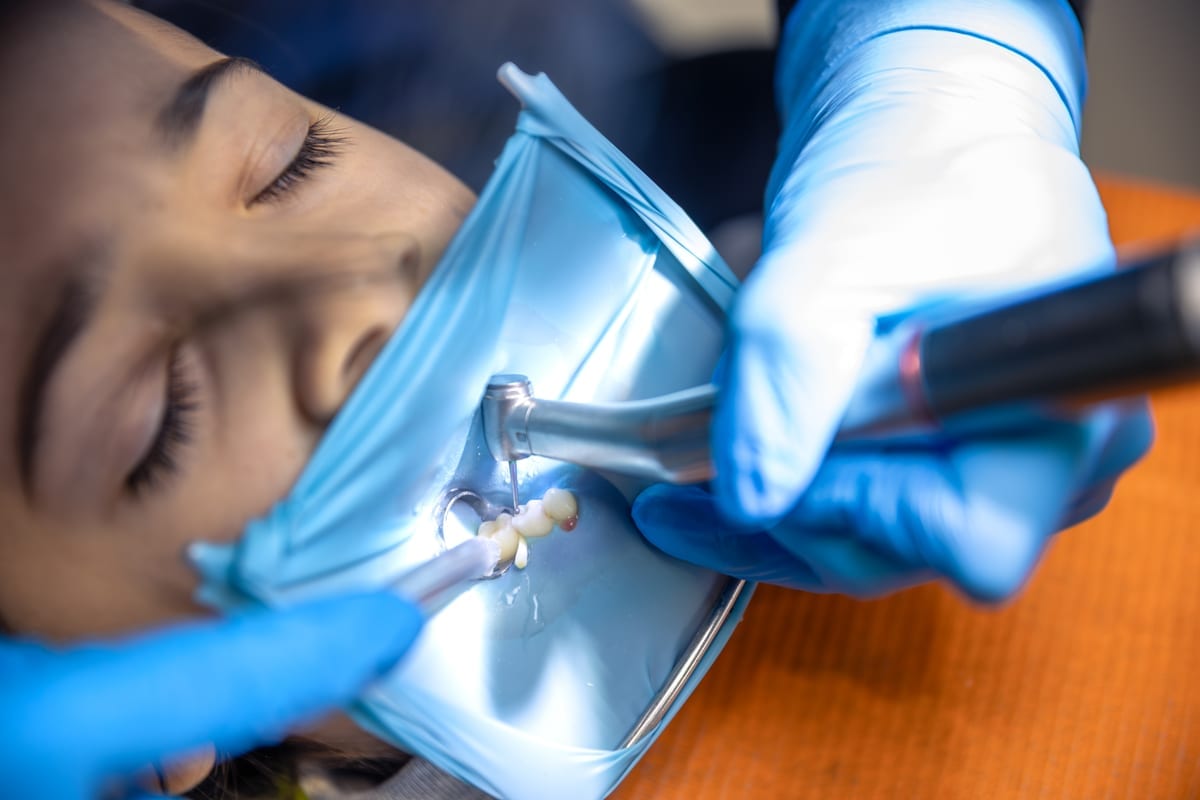
Before Dr. Pardue begins any root canal procedure, he carefully numbs the entire treatment area. Local anesthetic is administered to block nerve signals from reaching your brain. You may feel slight pressure from the injection, but the area goes fully numb within minutes.
Once the anesthetic takes effect, you should feel no sharp or burning pain at all. Modern anesthetic formulas are faster-acting and longer-lasting than older versions. Dr. Pardue also monitors your comfort throughout the procedure and can apply additional anesthetic if needed.
Here is what most patients actually feel during a root canal today:
- Mild pressure or vibration from dental instruments
- A sensation of movement inside the tooth — but no sharp pain
- Occasional brief twinges if a nerve root extends unusually deep
- General dental chair discomfort from lying still for 60–90 minutes
None of those sensations are the intense, unbearable pain that root canals are famous for. Most patients are genuinely surprised by how manageable the experience feels.
What You Feel After the Procedure — Honest Recovery Expectations
Once the anesthesia wears off, some soreness is completely normal. The tissues surrounding the treated tooth went through a procedure. Your body responds with mild inflammation as part of natural healing.
Here is what a typical recovery timeline looks like for most Longview patients:
- Day 1–2: Mild to moderate tenderness around the tooth and jaw. Over-the-counter pain relievers manage this well for most people.
- Day 3–4: Soreness decreases noticeably. Most patients return to normal eating and daily routines.
- Day 5–7: Discomfort fades significantly. The tooth area feels much better than it did before treatment.
- Week 2 and beyond: Most patients feel completely normal. A dental crown is often placed to protect the treated tooth long-term.
Severe or worsening pain after a root canal is uncommon. If that happens, contact Dr. Pardue’s office right away. It may signal a need for follow-up care.
Why Avoiding a Root Canal Actually Hurts More
Many patients delay root canal treatment because they fear the procedure. Ironically, waiting almost always makes things worse. An untreated infected tooth does not heal on its own. The infection spreads, pain intensifies, and treatment becomes more complex.
Skipping treatment can lead to tooth loss. Replacing a lost tooth requires procedures like dental implants or bridges — which involve more time, more steps, and more cost. A root canal that saves your natural tooth is almost always the better path forward.
Patients who visit Hickory Heights Dental for cosmetic goals — like those interested in Cosmetic Dentistry — are often surprised to learn that treating underlying dental health issues first produces better, longer-lasting cosmetic results. Healthy teeth are the foundation of a great smile.
How Dr. Pardue Makes the Experience Comfortable for Longview Patients
Dr. Thomas Pardue and the team at Hickory Heights Dental take patient comfort seriously. They know dental anxiety is real, and they approach every appointment with patience and empathy. Communication is a priority from the moment you walk in the door.
Before your root canal begins, Dr. Pardue explains every step clearly. You always know what is happening and why. That transparency alone reduces anxiety for most patients. Feeling in control makes a significant difference in how comfortable you feel throughout the procedure.
The practice also offers same-day dentistry options for patients dealing with urgent tooth pain. If you are suffering from a severe toothache in Longview, you do not have to wait days for relief. Prompt treatment is available when you need it most.
Conclusion — You Have More Control Than You Think
The fear surrounding root canals is built on outdated experiences. Modern anesthesia, advanced techniques, and a compassionate dental team change everything. Most patients in Longview who finally go through with their root canal say their only regret was waiting so long. The pain they feared never came — and the relief they felt afterward was immediate and real. You deserve accurate information and a dentist who genuinely cares about your comfort. Book Now to schedule your appointment with our team.
Frequently Asked Questions
Does a root canal hurt while it is happening?
With modern local anesthesia, most patients feel little to no pain during the procedure. You may notice pressure or mild vibration, but sharp pain is rare. Dr. Pardue monitors your comfort closely and can add more anesthetic if needed.
How long does soreness last after a root canal?
Most patients experience mild tenderness for one to four days after treatment. Over-the-counter pain relievers typically manage this discomfort well. Soreness should steadily decrease each day as healing progresses.
Is a root canal worse than a tooth extraction?
Many patients find root canals and extractions comparable in terms of discomfort during the procedure. However, a root canal saves your natural tooth, which is almost always the preferred outcome. Replacing an extracted tooth requires additional procedures and healing time.
What happens if I avoid getting a root canal?
Avoiding treatment allows the infection to spread and worsen. Pain typically intensifies over time rather than going away. In many cases, an untreated infected tooth eventually requires extraction, which involves more complex treatment to restore your smile.
How do I know if I need a root canal?
Common signs include persistent toothache, sensitivity to heat or cold that lingers, swelling near the tooth, or a darkening of the tooth color. Only a dentist can confirm whether a root canal is needed through examination and X-rays. Contact Hickory Heights Dental if you are experiencing any of these symptoms.