245 11th Ave NE Hickory, NC 28601


Why Your Root Canal Isn’t Complete Without a Crown

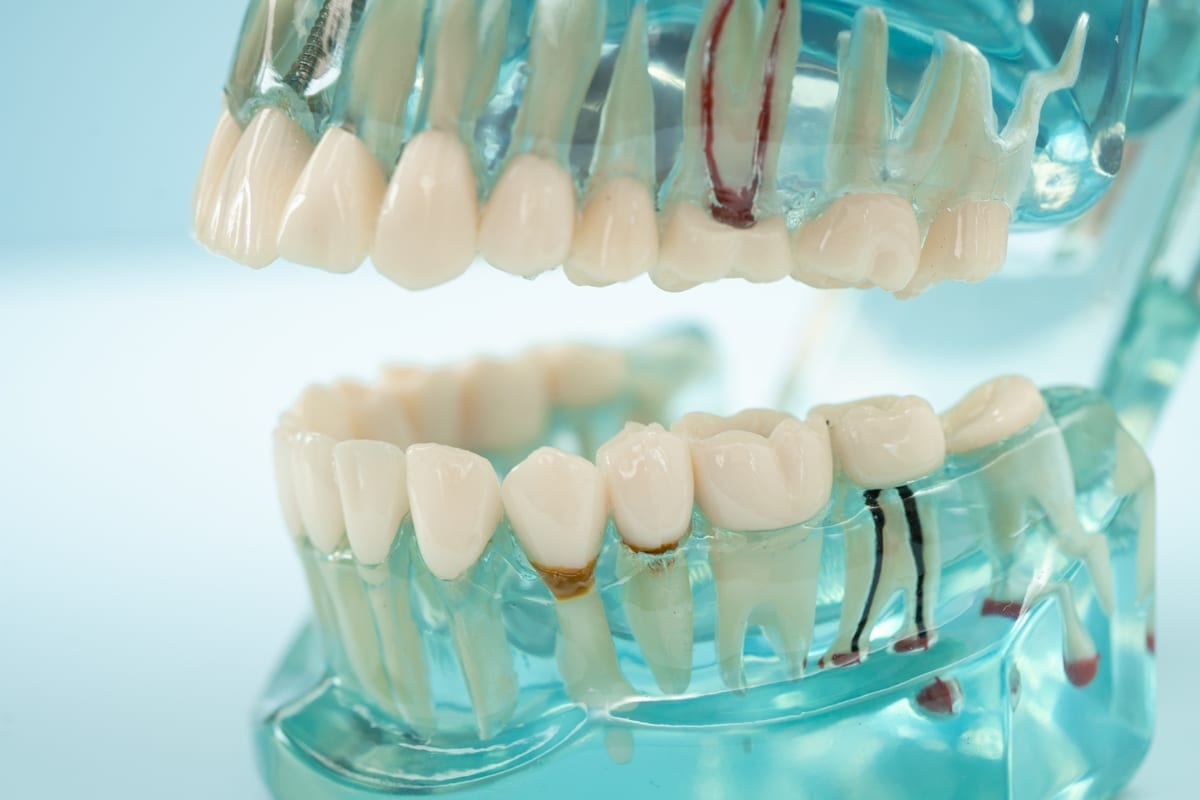
Many Longview patients feel relieved once a root canal is finished. The pain is gone, and the infection is cleared. But here is something important to understand: why your root canal isn’t complete without a crown in Longview is a question every patient should ask. Skipping the crown can put your tooth — and your investment — at serious risk.
At Hickory Heights Dental, Dr. Thomas Pardue guides patients through every step of post-root canal care. That includes making sure your treated tooth gets the protection it needs to last for years to come.
What Happens to a Tooth After a Root Canal?
A root canal removes infected or damaged pulp from inside your tooth. This process saves the tooth from extraction. However, it also changes the tooth’s structure in a significant way.
Without living pulp, the tooth loses its internal moisture supply. Over time, it becomes more brittle and fragile. A dry, weakened tooth is far more likely to crack or fracture under normal chewing pressure.
Think of it like a dried-out twig versus a fresh one. The dried twig snaps easily. That is exactly what a root canal tooth becomes without proper protection. A dental crown acts as a protective shell around the entire visible portion of your tooth.
Why Your Root Canal Isn’t Complete Without a Crown — The Real Risks
Leaving a root canal tooth uncrowned is one of the most common mistakes patients make. It often happens when people feel better and assume the job is done. Unfortunately, the risks are very real.
Here is what can go wrong without a crown after a root canal:
- Tooth fracture: Brittle, pulp-free teeth crack far more easily under biting force.
- Re-infection: Without a sealed crown, bacteria can re-enter the tooth through tiny gaps.
- Tooth loss: A cracked or re-infected tooth may ultimately require extraction.
- Sensitivity: Exposed dentin causes lingering discomfort when you eat or drink.
- Shifting teeth: If the tooth fails, neighboring teeth begin to drift out of alignment.
Each of these outcomes requires more complex and costly treatment. A crown placed promptly after a root canal prevents all of them. It is the logical final step in completing your care.
What the Crown Appointment Involves in Longview
Many patients are surprised to learn that the crown appointment is much more straightforward than the root canal itself. There is no reason to feel anxious about this visit. Dr. Pardue and the team at Hickory Heights Dental make the process smooth and comfortable.
Here is a step-by-step overview of what to expect during your crown appointment:
- Exam and X-ray: Dr. Pardue checks that the root canal site has healed properly before proceeding.
- Tooth preparation: A small amount of enamel is shaped to allow the crown to fit snugly.
- Impressions or digital scans: Precise measurements of your tooth are taken to design a custom crown.
- Temporary crown placement: A temporary crown protects your tooth while your permanent one is crafted.
- Permanent crown delivery: At your next visit, the final crown is placed and adjusted for a perfect bite.
Hickory Heights Dental also offers Same-Day Dentistry options for eligible patients. This means your crown could be designed and placed in a single visit. Ask Dr. Pardue if same-day crown technology is right for your situation.
How Long Does a Crown Last After a Root Canal?
A well-placed crown on a root canal tooth can last 15 years or longer. Longevity depends largely on how well you care for it. Good daily habits make a significant difference in how long your crown performs.
Here are key tips for making your crown last:
- Brush twice daily with a soft-bristled toothbrush
- Floss carefully around the crown margin each day
- Avoid chewing ice, hard candy, or very tough foods
- Wear a night guard if you grind your teeth while sleeping
- Attend regular checkups so Dr. Pardue can monitor the crown’s condition
Consistent Preventive Dentistry Longview visits are one of the best ways to protect your crowned tooth long-term. These appointments catch early issues before they become costly problems.
When Should You See a Dentist After Your Root Canal?
Ideally, crown placement should happen within a few weeks of your root canal. The longer you wait, the more vulnerable your tooth becomes. Do not let a busy schedule delay this important step.
However, if you experience sudden pain, swelling, or a cracked temporary crown, act quickly. These symptoms need prompt attention. The team at Hickory Heights Dental is available for urgent concerns, and you can also find Emergency Dentistry Longview support when unexpected problems arise.
Dr. Pardue understands that dental emergencies feel stressful. Reaching out sooner rather than later always leads to better outcomes for your tooth and your comfort.
Conclusion: Protect Your Investment With a Crown
A root canal saves your natural tooth. A crown protects that saved tooth for the long haul. Skipping the crown puts everything at risk — the tooth, your bite, and your overall oral health. Longview patients who complete both steps enjoy lasting results and peace of mind.
Dr. Thomas Pardue and the entire team at Hickory Heights Dental are here to guide you through every stage of your care. We make the crown process simple, comfortable, and clearly explained. Book Now to schedule your appointment with our team.
Frequently Asked Questions
Do I always need a crown after a root canal?
In most cases, yes. Back teeth like molars experience heavy chewing forces and almost always need a crown. Front teeth may occasionally be restored with a filling, but Dr. Pardue will evaluate your specific situation and recommend the best option.
How soon after a root canal should I get a crown?
Most dentists recommend placing a crown within two to four weeks of a root canal. This timeline gives the area time to settle while still protecting the tooth from fracture or re-infection. Delaying longer than this increases your risk significantly.
Will getting a crown hurt?
No — the crown appointment is typically very comfortable. Dr. Pardue uses local anesthesia to keep the area numb during tooth preparation. Most patients report feeling only mild pressure, not pain, during the procedure.
What if my temporary crown falls off before my permanent one is ready?
Contact Hickory Heights Dental right away if your temporary crown comes loose or falls off. The temporary crown protects your shaped tooth from bacteria and sensitivity. Leaving it off for too long can cause complications before your permanent crown is placed.
Can a crowned tooth get infected again?
A properly sealed crown significantly reduces re-infection risk. However, if the crown develops a gap, crack, or chip over time, bacteria can enter. Regular checkups allow Dr. Pardue to catch any issues with your crown before they lead to problems with the underlying tooth.