245 11th Ave NE Hickory, NC 28601


Sleep Apnea Treatment in Hickory, NC


If you live in Hickory and struggle with snoring, exhaustion, or restless nights, sleep apnea may be the cause. Many patients feel nervous before starting treatment because they simply don’t know what to expect. Understanding what happens during your sleep apnea treatment — a step-by-step guide for Hickory patients — can ease that anxiety and help you feel prepared. At Hickory Heights Dental, Dr. Thomas Pardue walks every patient through the process with care and patience.
Step One: Your Initial Consultation and Sleep Apnea Evaluation in Hickory
Your journey begins with a thorough consultation at our Hickory office. Dr. Pardue will listen carefully to your symptoms and sleep history. He will ask about your snoring patterns, daytime fatigue, and any feedback from a sleeping partner.
During this visit, Dr. Pardue will also examine your airway, jaw, and oral tissues. He looks for physical signs that suggest obstructive sleep apnea. This hands-on evaluation gives him a clear starting point before any treatment plan is created.
You may also be asked to complete a sleep questionnaire. This helps the team understand the severity of your symptoms. Dr. Pardue may coordinate with your physician or refer you for a formal sleep study if needed.
Step Two: Reviewing Your Sleep Study Results and Building Your Plan
Once sleep study results are available, Dr. Pardue reviews them carefully. The results confirm whether you have mild, moderate, or severe obstructive sleep apnea. This distinction is important because it shapes your entire treatment approach.
For many Hickory patients, an oral appliance is the recommended solution. Oral appliances are small, custom-fitted devices worn during sleep. They gently reposition the jaw and tongue to keep your airway open throughout the night.
Dr. Pardue will explain every option available to you in plain language. He never rushes this conversation. You will leave this appointment fully understanding your diagnosis and the recommended next steps.
Step Three: Getting Your Custom Oral Appliance Fitted
If an oral appliance is right for you, the fitting process begins quickly. Dr. Pardue takes precise digital impressions of your teeth and bite. These impressions are sent to a dental lab that crafts your custom device.
Here is what you can expect during the fitting appointment:
- Dr. Pardue checks the fit against your upper and lower teeth
- He adjusts the jaw position for maximum comfort and effectiveness
- You practice inserting and removing the appliance yourself
- The team answers all your questions before you leave
The appliance should feel snug but not painful. Most patients adapt to wearing it within one to two weeks. Dr. Pardue’s team is always available to answer questions during that adjustment period.
What You Feel During Sleep Apnea Treatment — And How We Keep You Comfortable
One of the most common questions patients ask is whether treatment feels uncomfortable. The honest answer is that most patients experience only mild, temporary sensations. You may notice slight jaw soreness during the first few nights of appliance use.
This is completely normal and typically fades quickly. Dr. Pardue may recommend small appliance adjustments if discomfort persists. The goal is always to find a position that keeps your airway open without straining your jaw.
Many patients also report feeling more rested within the first week of consistent use. That early improvement is encouraging and motivating. The Hickory Heights Dental team celebrates those wins right alongside you.
Benefits patients commonly report after starting oral appliance therapy include:
- Reduced or eliminated snoring
- Improved sleep quality and deeper rest
- Higher energy levels throughout the day
- Better mood and sharper mental focus
- Reduced morning headaches and dry mouth
Step Four: Follow-Up Visits and Long-Term Monitoring in Hickory
Sleep apnea treatment is not a one-visit fix. Follow-up appointments are a critical part of your long-term success. Dr. Pardue schedules check-ins to evaluate how well the appliance is working.
During these visits, he may make fine adjustments to the device. He also checks your teeth and jaw for any signs of strain. Ongoing monitoring ensures that your treatment stays both safe and effective over time.
Some patients also benefit from combining sleep apnea care with other dental services. For example, addressing tooth wear or jaw tension may improve your overall results. Dr. Pardue takes a whole-mouth approach to your health at every visit.
If you are also exploring smile improvements, our team offers Cosmetic Dentistry services that can complement your care plan. Patients dealing with unrelated dental pain may also benefit from Root Canal Therapy to resolve infection before or during their sleep apnea treatment journey.
Frequently Asked Questions
How long does sleep apnea treatment take at Hickory Heights Dental?
The timeline varies by patient. Most people complete their initial consultation, impressions, and fitting within two to three appointments. After receiving your custom appliance, follow-up visits continue on a schedule Dr. Pardue recommends based on your progress.
Is a custom oral appliance better than a CPAP machine?
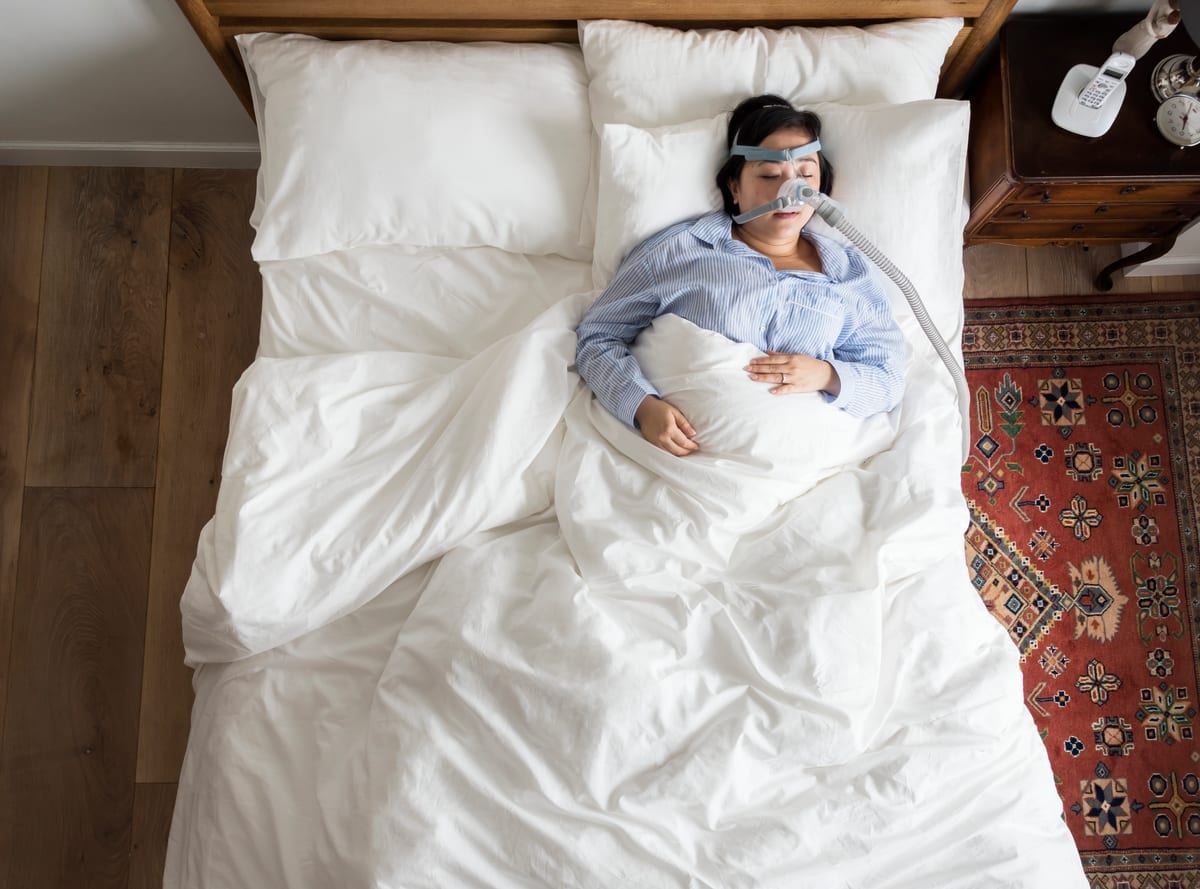
For patients with mild to moderate sleep apnea, oral appliances are often an excellent alternative to CPAP therapy. They are smaller, quieter, and easier to travel with. Dr. Pardue will help you understand which option best suits your diagnosis and lifestyle.
Will my teeth shift from wearing an oral appliance?
Minor temporary changes in bite feel can occur, especially in the morning after removing the appliance. Dr. Pardue monitors your teeth and jaw at every follow-up visit. He provides exercises or bite guides to minimize any long-term effects on your teeth alignment.
What if I also grind my teeth at night?
Bruxism and sleep apnea frequently occur together. Dr. Pardue evaluates for both conditions during your initial assessment. In many cases, a well-designed oral appliance addresses both issues simultaneously, protecting your teeth while keeping your airway open.
How do I know if the treatment is working?
Most patients notice improvements in sleep quality and daytime energy within the first one to two weeks. Dr. Pardue may also recommend a follow-up sleep study to confirm that oxygen levels have improved. Your feedback at each visit helps guide any adjustments needed.
Sleep apnea is a serious condition, but treatment does not have to feel overwhelming. Dr. Thomas Pardue and the Hickory Heights Dental team are here to guide you through every step with expertise and genuine care. Book Now to schedule your appointment with our team.